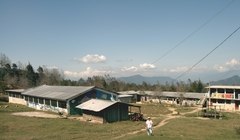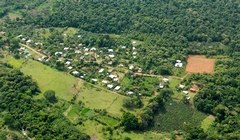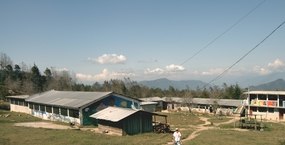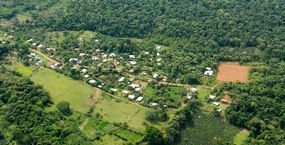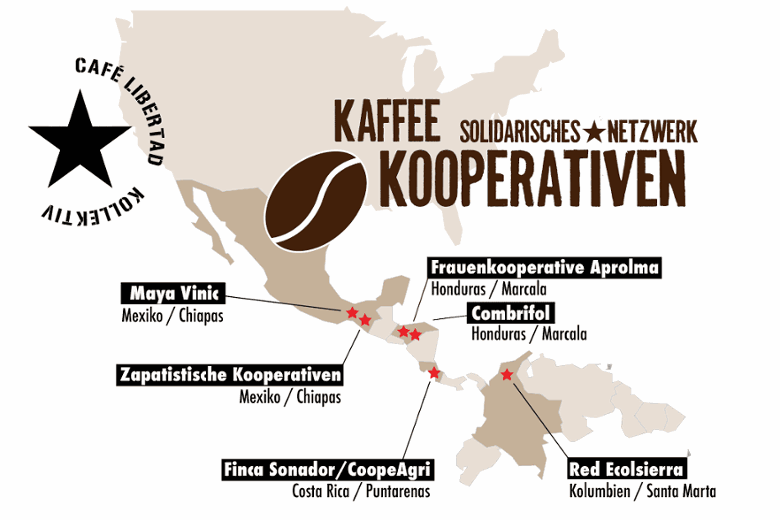
Cooperatives are associations of small-scale farmers who produce, process, and export their coffee in a self-organised way. Presently, Café Libertad is cooperating with six co-ops:
In Mexican Chiapas, we work with Zapatista coffee co-ops Yachil Xojobal Chulchán and Yochin Tayel Kinal, as well as coffee co-op Maya Vinic. In Honduras, we support the women's cooperative Aprolma and the Combrifol coop from Marcala - La Nahuaterique specifically. In Colombia, we support the Red EcolSierra cooperative, and in Costa Rica, Finca Sonador and CoopeAgri.
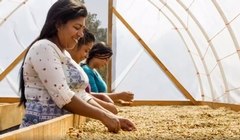
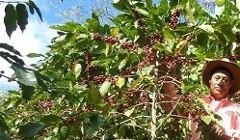
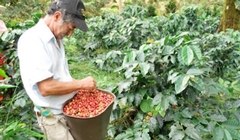
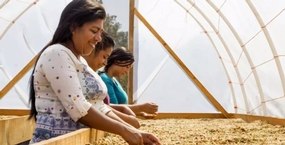
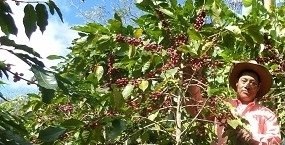
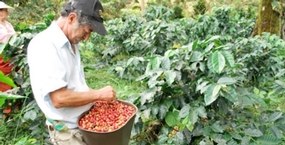
For instance, we support cooperative small-scale farmers in Zapatista communities in Chiapas, producing coffee organically beneath traditional shade trees and without pesticides. Coffee beans are manually removed from the pulp and sun-dried, rather than using industrial pit removal and drying typically used in plantation coffee processing. Small-scale cultivation and processing methods sustain resources, mixed planting of shade trees supports the climate, and the region's living conditions improve sustainably.
Through collective self-organisation, co-ops are increasing local value added in coffee production, strengthening both collective structures in rural communities and the foundation of social protests. Organic coffee from Zapatista cooperatives stands for more than 'merely' organic or fair-certified coffee. As a colonial heritage, you can buy the latter from corporations or major landowners. Ask where your coffee comes from, who has been cultivating it, and who benefits from its marketing.